Reference protocol

Peptide reference protocols

How much to use, how to prepare the vial and how to measure it in the syringe — product by product, adapted to our formats, with a first-timer walkthrough on every page. Reference documentation (RUO).

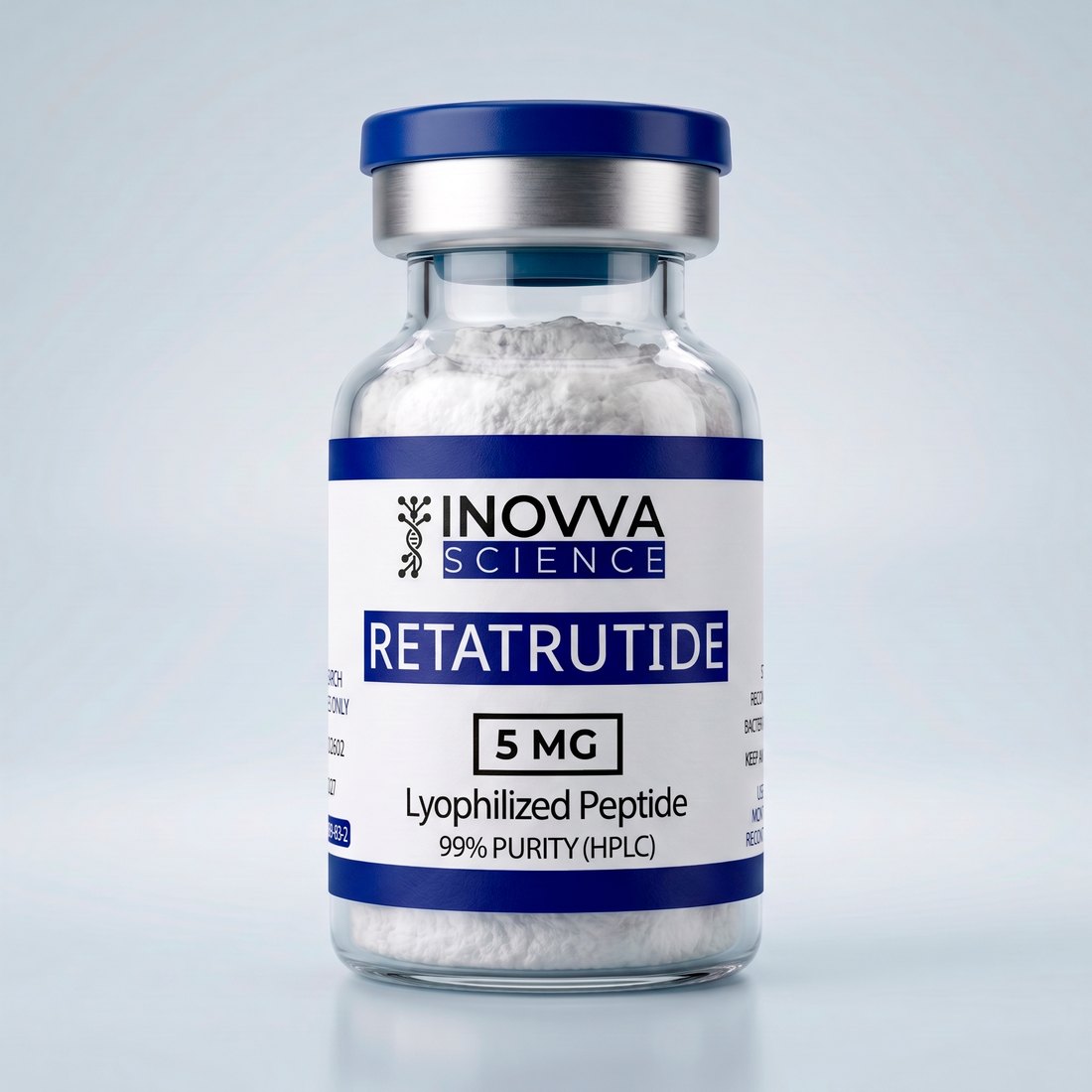
Reference protocol: Retatrutide

Retatrutide is dosed once per week. Our guideline starts lower than the international reference —1.5 mg— and advances in 0.5 mg steps, never in 2 mg jumps: fewer adaptation effects and a minimum effective dose found with precision.
Vial: 5, 15 & 30 mg7 min read

Reference protocol: Tirzepatide

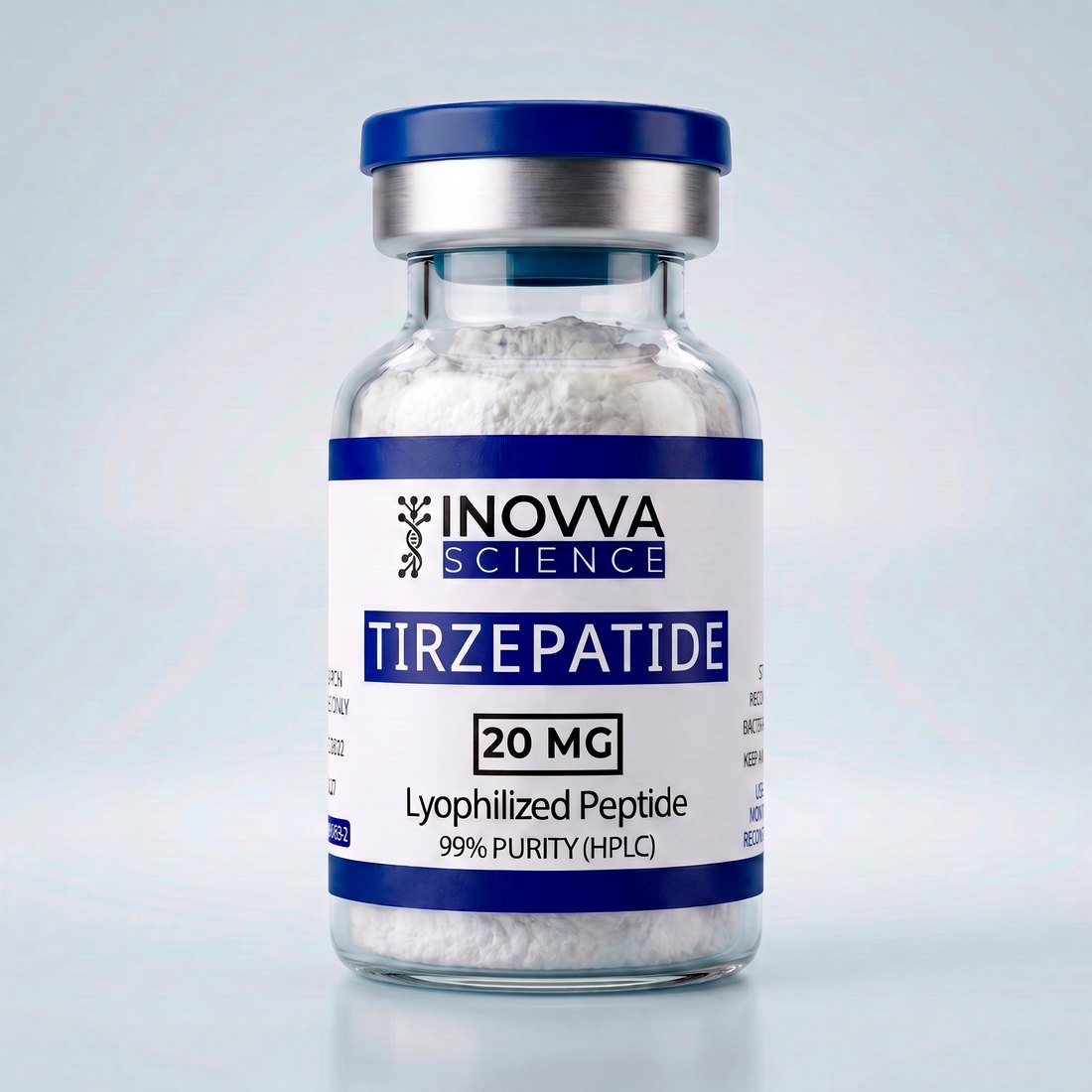
Tirzepatide is a dual GIP/GLP-1 agonist dosed weekly. Its reference protocol is the most standardized in the class: a fixed six-step ladder where the rule is not how much to increase, but how long to wait before doing so.

Vial: 20 mg7 min read

Reference protocol: Tesamorelin

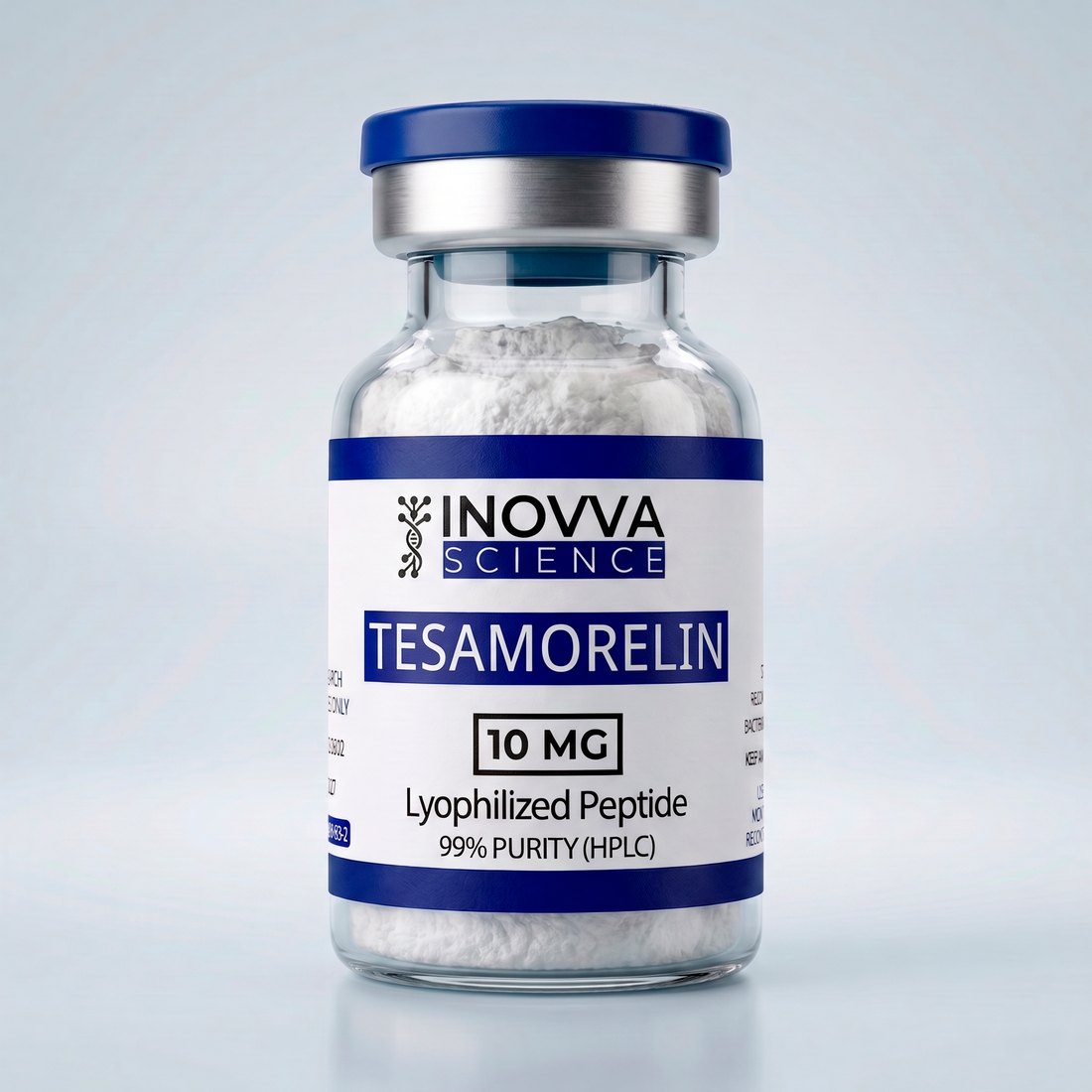
Tesamorelin is a GHRH analog and its protocol punishes impatience: the effect is cumulative, and the documentation agrees that anything under 12 weeks is wasted time. Timing matters as much as the dose.

Vial: 10 mg6 min read

Reference protocol: MOTS-c

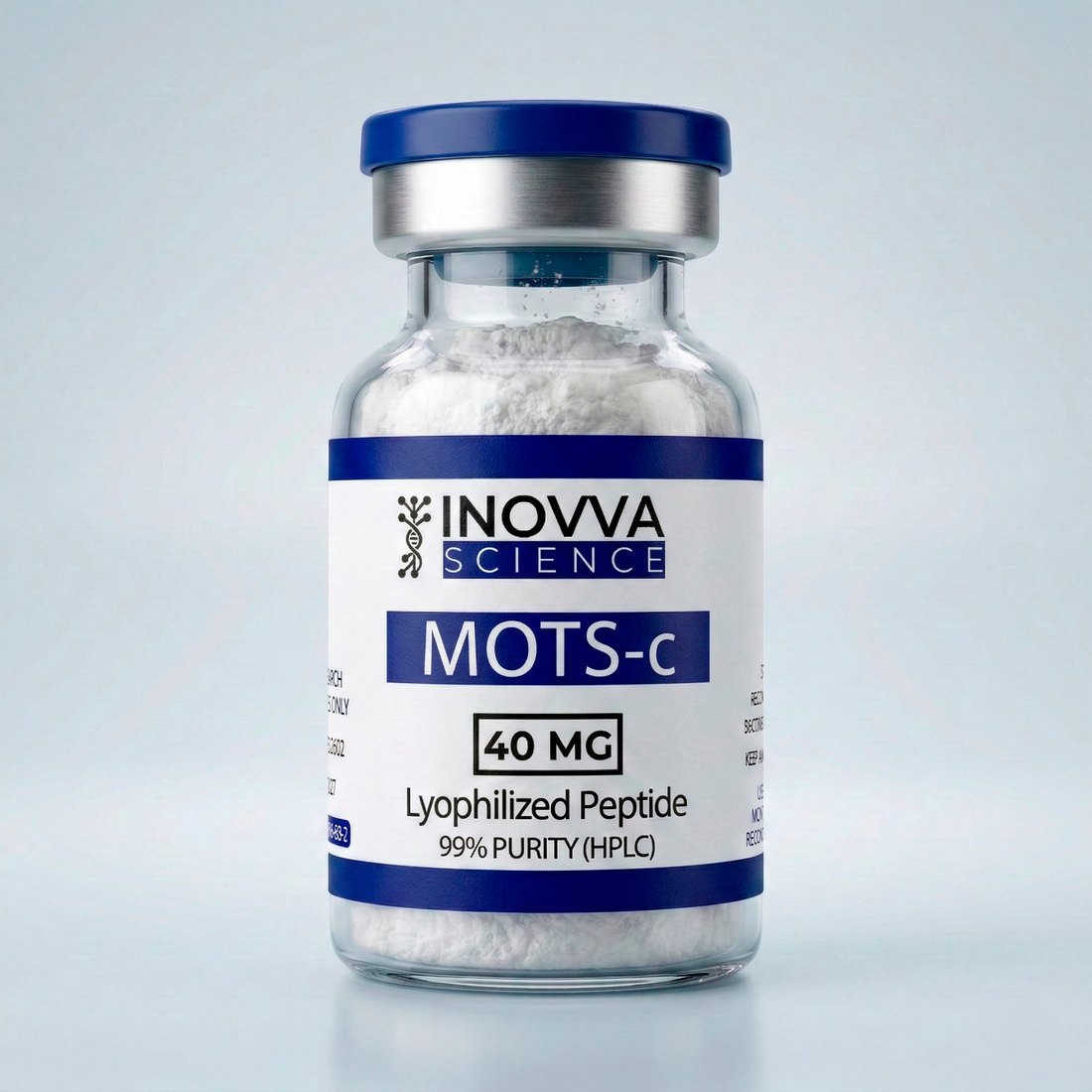
MOTS-c is a mitochondrial peptide considered an exercise mimetic. Our guideline fixes the weekly total —10 mg— and splits it across two or three doses: a more stable signal than one isolated large dose, and syringe marks that read effortlessly.

Vial: 40 mg6 min read

Reference protocol: BPC-157 + TB-500

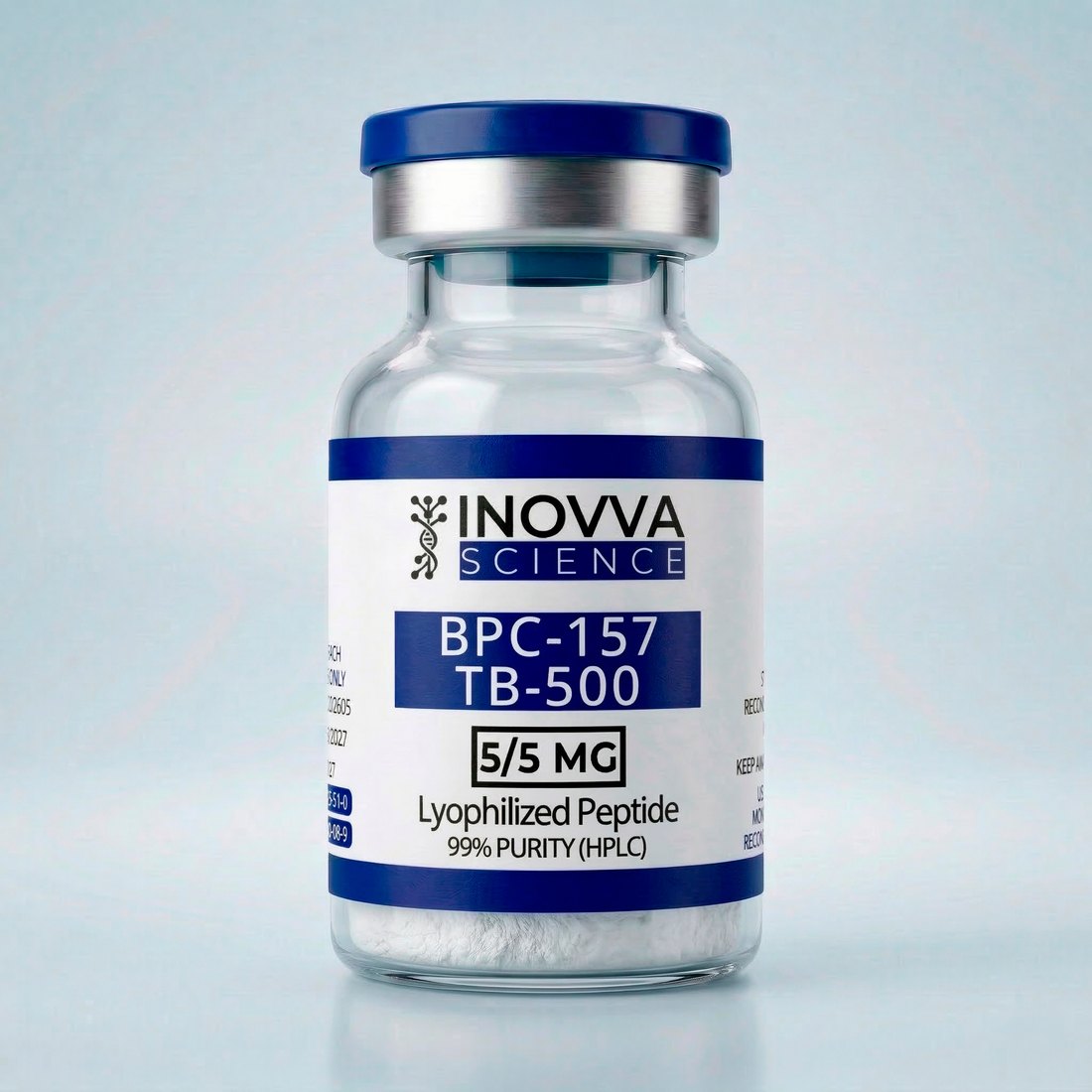
This blend combines two tissue-repair peptides in a single vial. Its protocol is among the simplest in the catalog: one daily dose in micrograms, eight weeks, and the only real decision is the route and injection site.

Vial: 10 mg6 min read

Reference protocol: Ipamorelin + CJC-1295

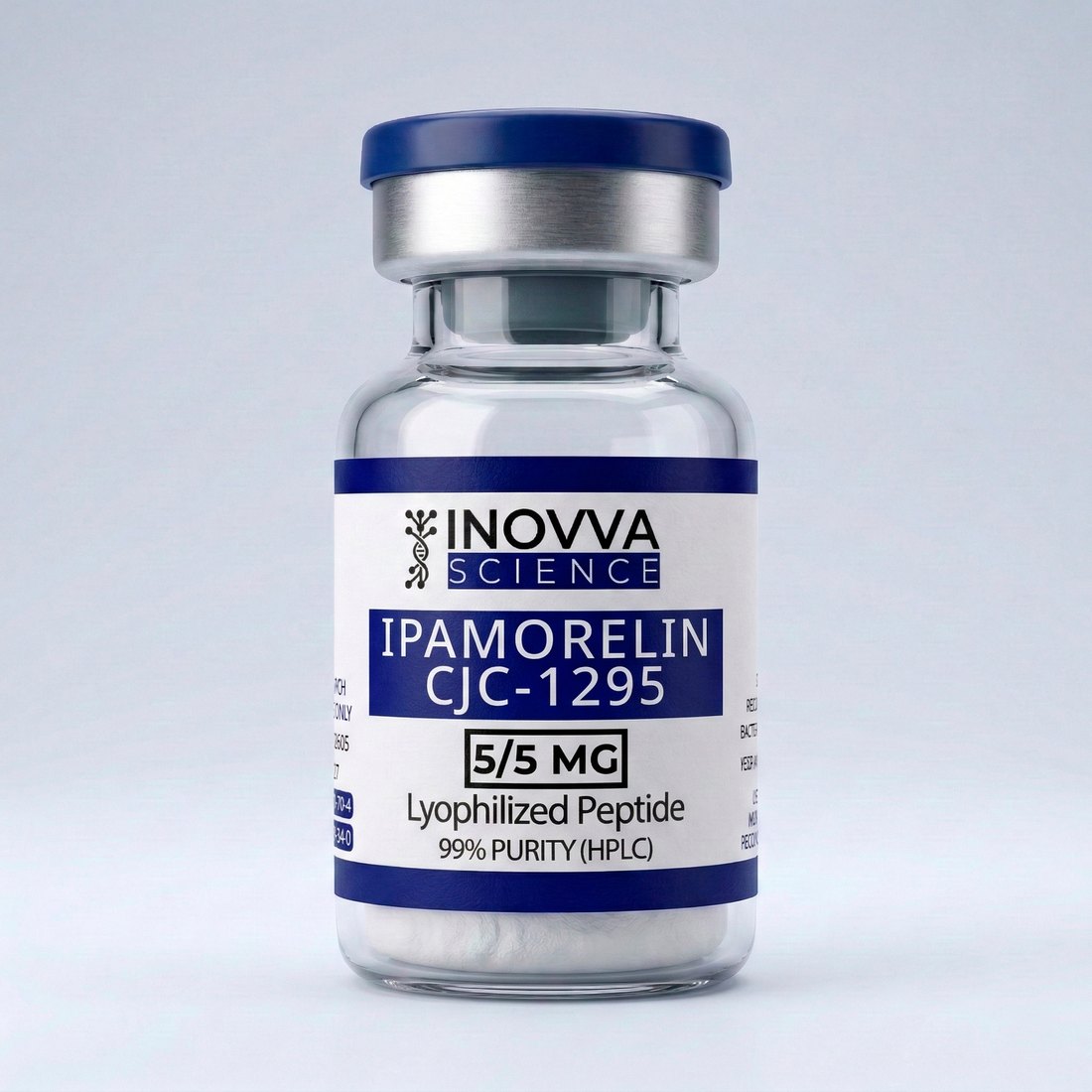
This blend pairs a GHRH analog (CJC-1295 without DAC) with a selective secretagogue (Ipamorelin): two distinct pathways that amplify the same growth hormone pulse. The No-DAC version is dosed daily because its pulse is short, like the physiological one.

Vial: 10 mg7 min read

Reference protocol: GHK-Cu

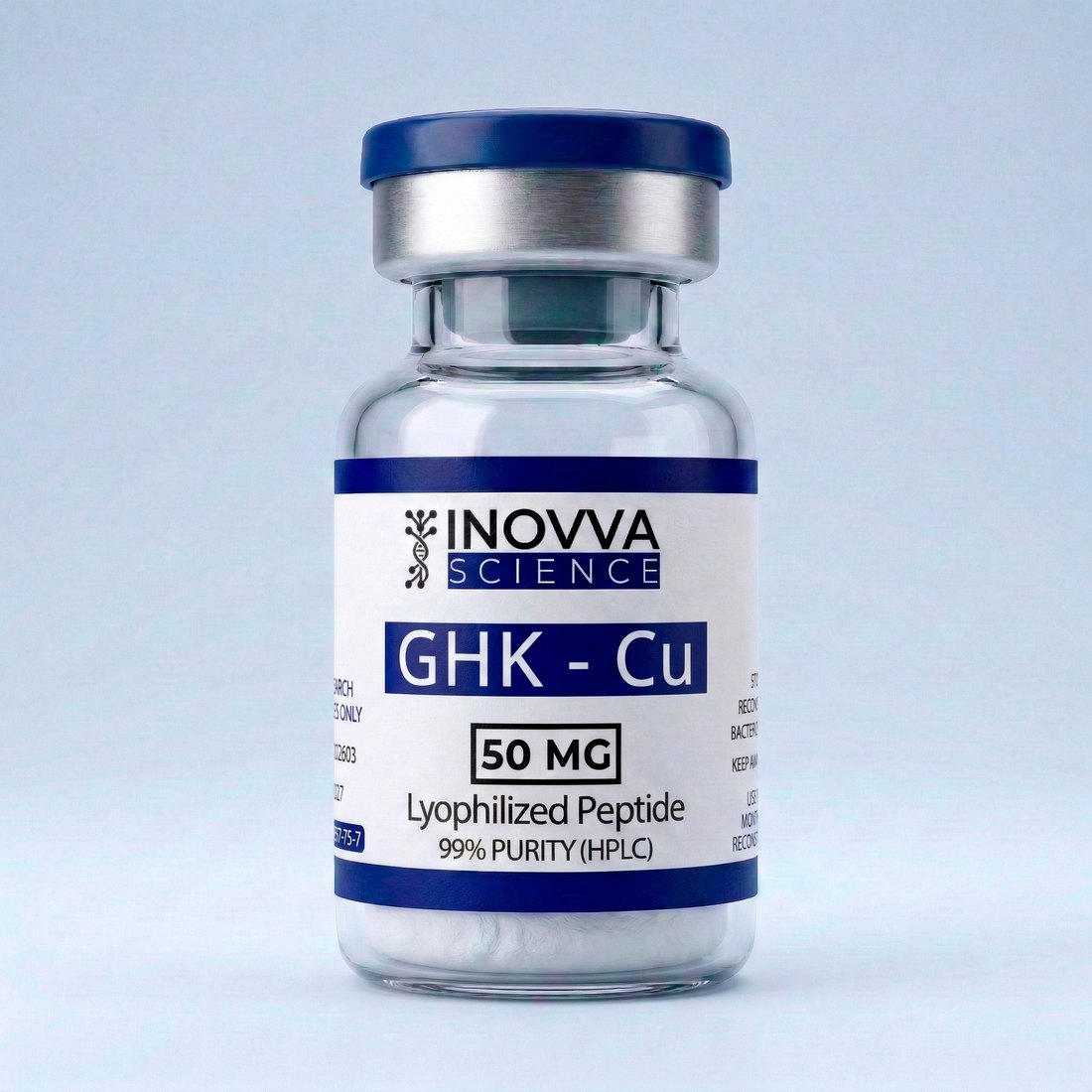
GHK-Cu is the copper peptide: tissue regeneration, collagen and skin. Its protocol is simple —one small daily dose— and its only real complication is that some people react to the copper at the injection site. This page covers how to manage it.

Vial: 50 mg6 min read

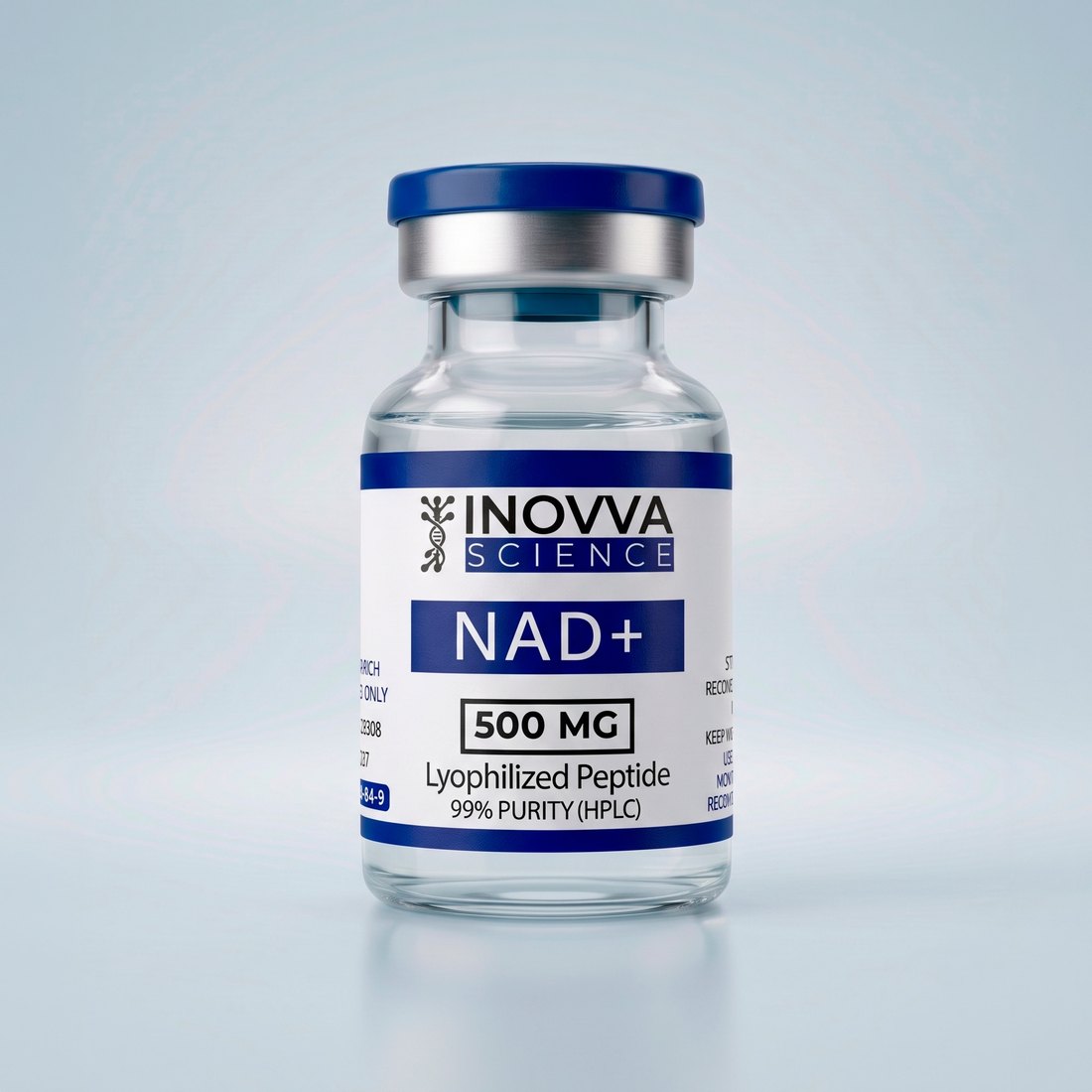
Reference protocol: NAD+

With NAD+ the weekly load is the same across the three schedules —210 mg— and what you choose is the split: more gentle injections or fewer, more felt ones (it is an acidic compound and you notice it). To build tolerance, use half the dose of your schedule for the first two weeks.

Vial: 500 mg7 min read

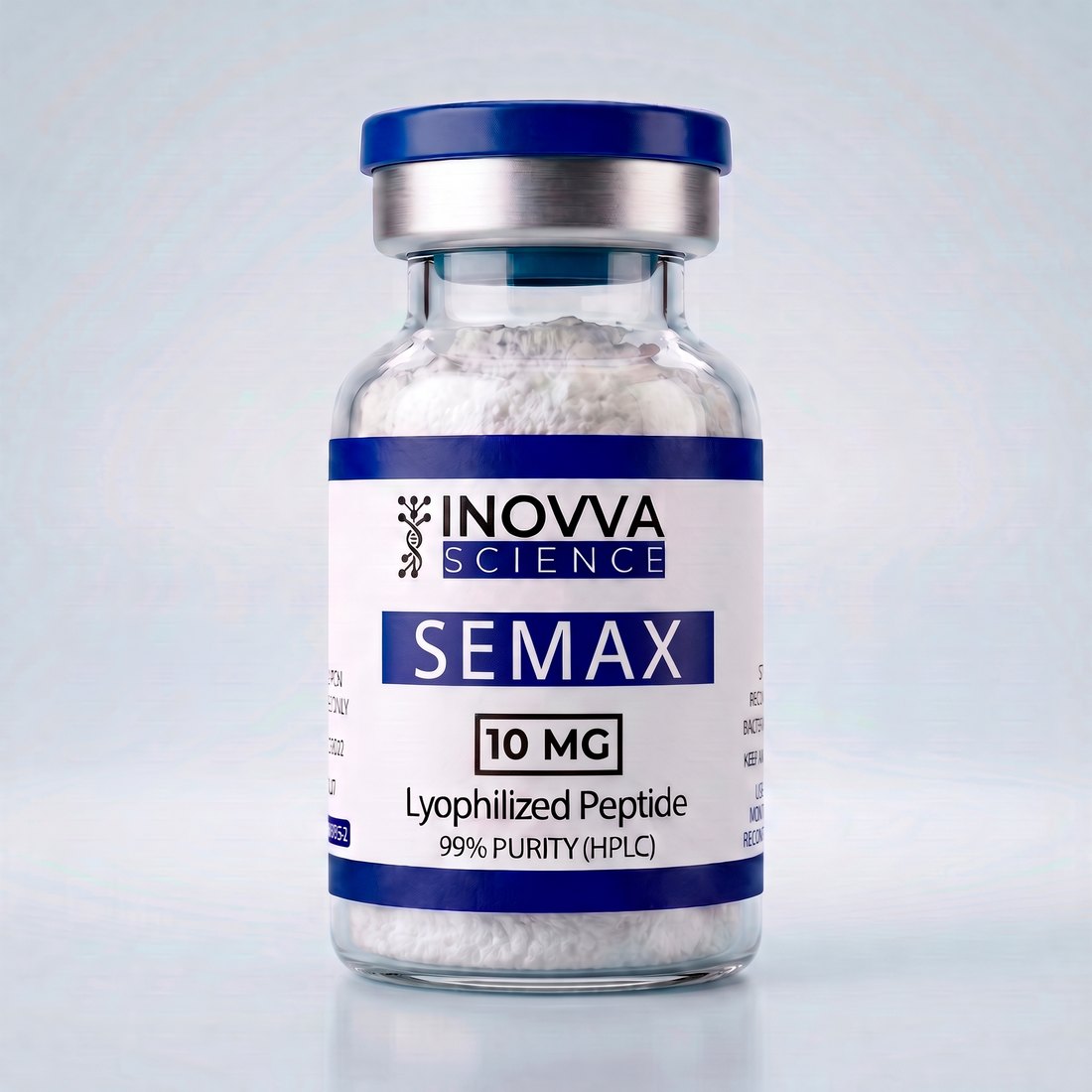
Reference protocol: Semax

Semax is a nootropic and neuroprotective peptide dosed in the morning. Its escalation is short, and its main precaution is not physical but neuropsychiatric: it modulates dopamine, serotonin and BDNF, and that calls for respect with certain histories.

Vial: 10 mg6 min read

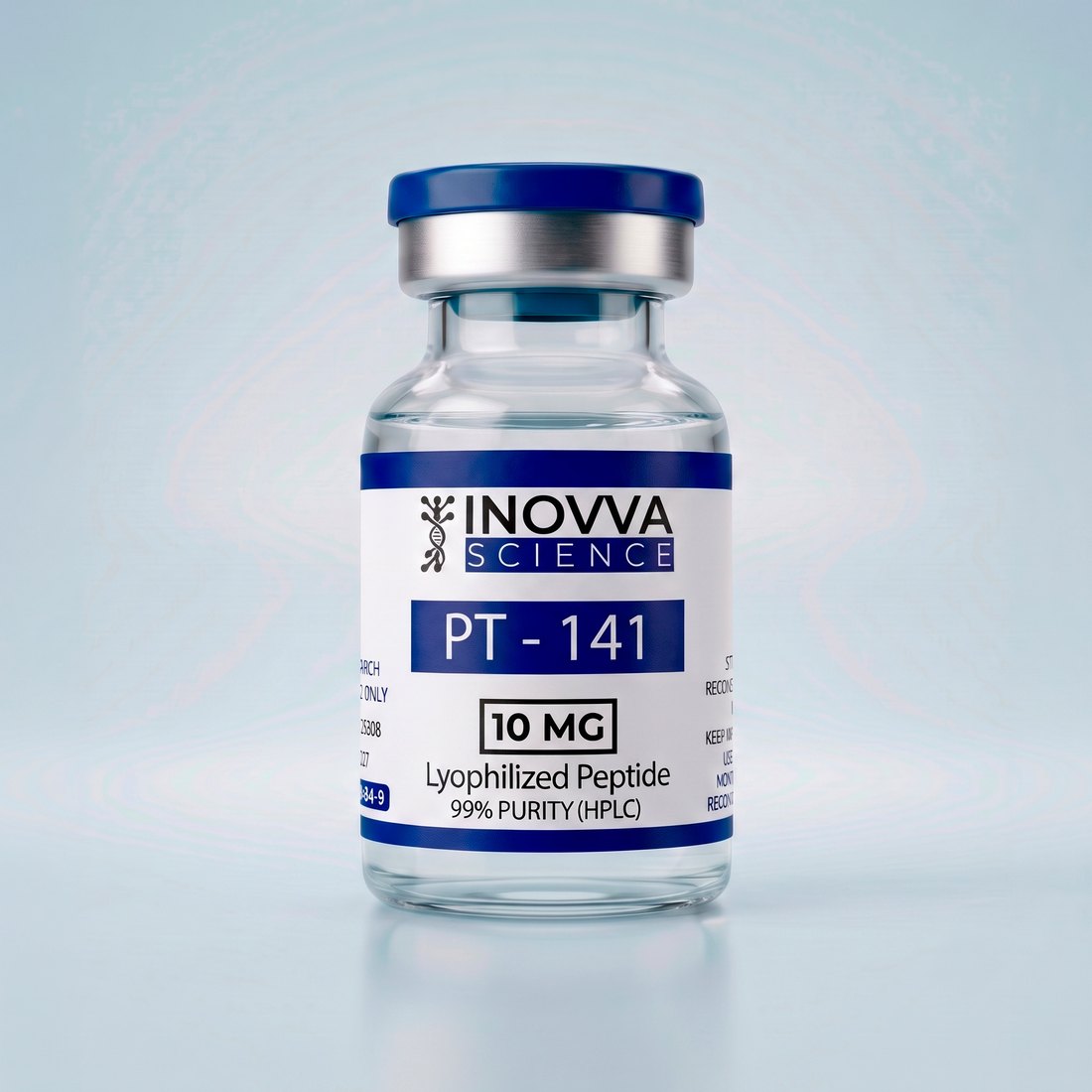
Reference protocol: PT-141

PT-141 (bremelanotide) is not a cycle protocol but an event protocol: it is dosed on demand, ahead of time, and its frequency limits are not a suggestion — the melanocortin system desensitizes with repeated use.

Vial: 10 mg6 min read